


The Mental Game in Swimming
As world-class athletes can attest, swimming is as much a mental challenge as it is a physical one. Mastering the mental game in swimming is not just beneficial—it’s essential. On the grandest stages, like the Olympics, the difference between triumph and defeat often comes down to mental preparation. Discover how fortifying your mind can elevate your swimming and unlock new levels of focus, resilience, and performance in the water.
1. Embrace Visualisation
Before diving into the pool, engage in vivid mental rehearsal. Visualization in swimming is a powerful tool for enhancing performance, boosting self-confidence, and building muscle memory. Michael Phelps, the most decorated Olympian in history, credited much of his success to visualization and mental imagery, which he used to mentally prepare for every possible race scenario. He visualized the first explosive dive, the sensation of cutting through the water, and even potential mishaps, ensuring he was ready for anything that could arise.
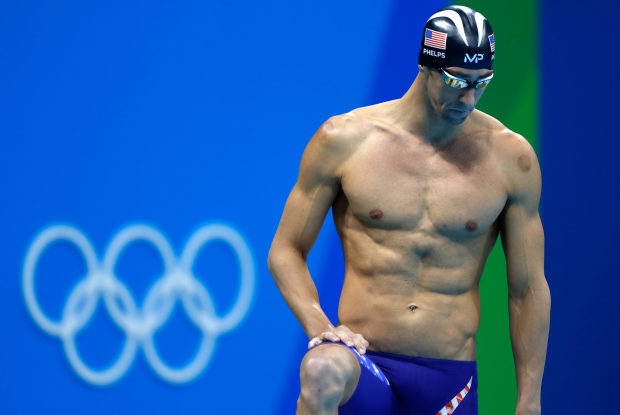
Visualization in swimming enables athletes to anticipate challenges, refine their technique, and execute their strategy with precision. Guided imagery, a key component of visualization, allows you to mentally rehearse your goals in vivid detail. Imagine yourself swimming effortlessly through crystal-clear water, with each stroke feeling strong and fluid. By repeatedly visualizing successful swims, you train your brain to respond positively under pressure, creating a mental blueprint for victory.
Visualization is not limited to race preparation—it can be integrated into your daily training. Spend a few minutes before each session visualizing your technique, focusing on specific aspects like a powerful kick, a smooth turn, or a strong finish. This practice helps swimmers stay connected to their goals and approach each set with a clear purpose.
Visualization in swimming can also enhance relaxation and recovery. Borrow these sport visualization techniques from Dr. Jim Taylor, such as imagining a serene environment or a perfect race, to calm the mind and maintain focus. The mental rehearsal of achieving your best can shift your mindset, transforming anxiety into confidence and turning aspirations into reality.
With consistent practice, visualization in swimming becomes an indispensable part of your mental game. It enables you to approach every stroke with determination and prepares you to excel, not just in the water but in the face of any challenge.
2. Harness the Power of Breath
Breathing, aside from its obvious importance in staying alive, is a powerful tool for calming pre-race jitters. It acts as a bridge between the body and mind, allowing swimmers to regain control during moments of high pressure. Techniques like box breathing, which involves inhaling, holding, exhaling, and pausing for equal counts, can reduce anxiety before races. This structured approach to breathing not only calms nerves but also helps focus the mind on the task ahead. Katie Ledecky, one of the greatest swimmers of all time, uses this technique to maintain her composure and center herself during high-stakes events, such as her dominant 800m freestyle races.
Deep, rhythmic breathing can also optimize oxygen efficiency, improving overall performance. By ensuring a steady supply of oxygen, swimmers can maintain endurance and minimize fatigue during prolonged efforts. Incorporating breath-focused drills into your training can make a noticeable difference. For example, practicing hypoxic sets, where you deliberately reduce breathing frequency, can train your body to use oxygen more efficiently and build mental resilience.
Beyond competition, mastering your breathing can enhance your recovery after intense sessions. Controlled breathing helps lower heart rate and cortisol levels, allowing your body to transition smoothly from exertion to relaxation. Swimmers who integrate mindful breathing into their routines often report improved sleep quality and a greater sense of balance in their training regimen.
Developing an awareness of your breathing patterns can also enhance your connection to the water. Feeling the rhythm of your breath align with your strokes can create a meditative flow, enabling you to swim with greater focus and intention. With practice, harnessing the power of breath becomes a vital skill that not only enhances performance but also fortifies your mental game in swimming.
3. Goal Setting: Beyond the Stopwatch
While breaking personal records is exciting, well-rounded goals include improving techniques, strokes, and turns. A holistic approach to goal setting allows swimmers to refine every aspect of their performance, ensuring they’re not just faster but also more efficient and technically sound. For instance, Adam Peaty, a breaststroke icon, focuses on perfecting race elements, from his explosive dive to his flip turn and his streamline off the wall. By honing these details, he gains invaluable fractions of a second that often make the difference between gold and silver.
Diversifying your goals ensures a comprehensive growth strategy as a swimmer. Instead of simply aiming for a faster time, consider setting targets such as achieving a consistent stroke rate, improving underwater kicks, or executing a flawless turn. These process-oriented goals not only contribute to better performance but also provide a sense of achievement along the way, keeping motivation high.
Additionally, setting short-term goals can serve as stepping stones to larger aspirations. For example, mastering a specific drill in practice can build the foundation for a better race-day performance. Writing down your goals and tracking your progress regularly can help you stay accountable and maintain focus.
Explore effective goal-setting strategies by USA Swimming to find actionable steps that can enhance your approach. Break down your goals into achievable milestones, celebrate your progress, and reassess as needed to ensure they remain challenging yet attainable. This strategic approach to goal setting transforms swimming from a task into a dynamic journey of continuous improvement and personal growth.
4. Reframe Challenges
In the aquatic world, challenges are as constant as the lane ropes. Reframe them not as barriers, but as stepping stones towards improvement. By adopting this mindset, you empower yourself to learn and grow with every hurdle faced. If you struggle with the last 50 meters due to fatigue,
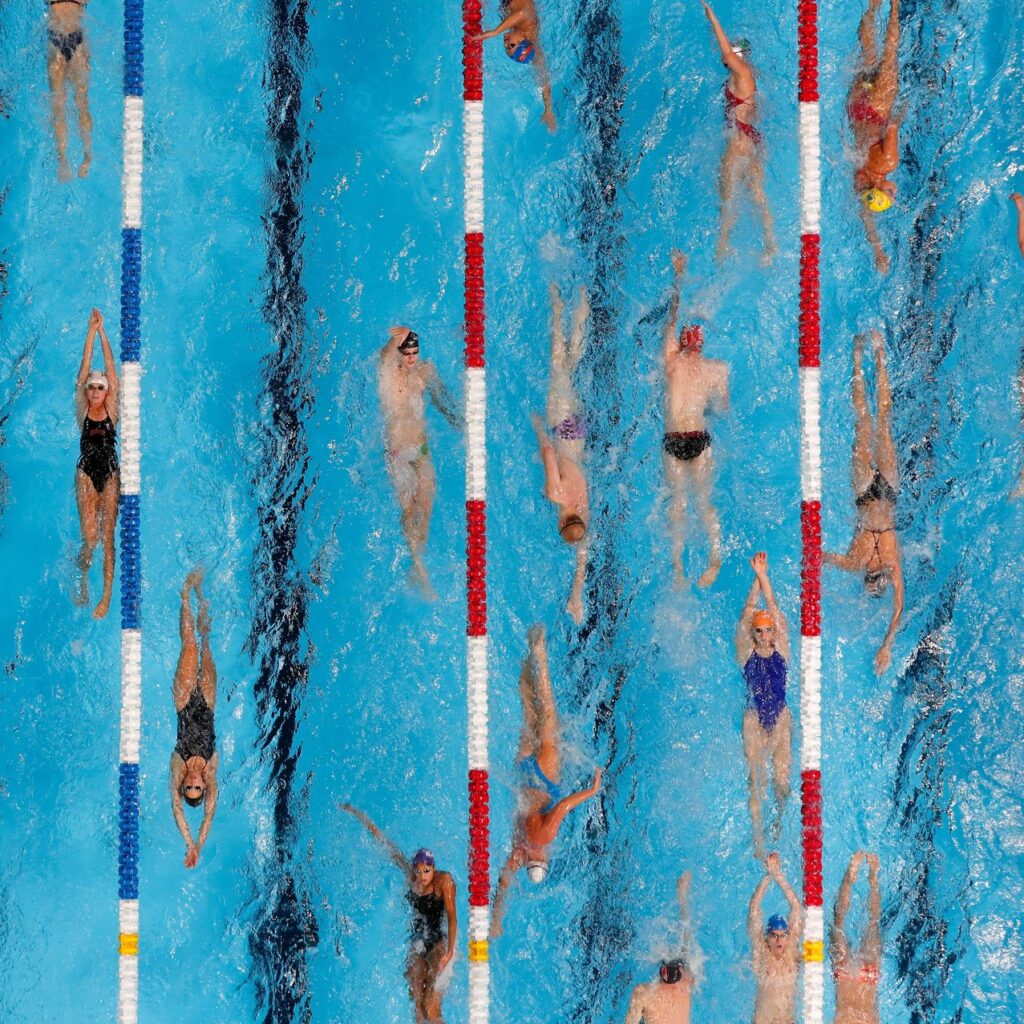
focus on it as an opportunity to enhance endurance rather than a weakness. When Sarah Sjöström, a formidable sprinter, faces a setback, she uses them as stepping stones toward greater achievements.
Embracing challenges can become the catalyst that propels you to greater heights in your aquatic journey.
5. Positive Affirmations: Talk the Talk
What you repeatedly tell yourself can shape your reality. Positive affirmations are more than just words; they are a way to rewire your mindset and build resilience. By reinforcing empowering beliefs, you can overcome self-doubt and approach challenges with a winning attitude. Cultivate a set of affirmations tailored to your personal and swimming goals. These phrases should resonate deeply with you, serving as anchors of strength and confidence in moments of uncertainty.
Before a challenging set, repeating affirmations such as "I am strong, I am powerful, I own this pool" can set a determined tone for the session. The repetition helps embed these beliefs into your subconscious, making them a natural part of your thought process. Cate Campbell, before a critical relay leg, uses affirmations to maintain focus during high-pressure situations, instilling confidence, setting a tone of dominance, and helping her perform at her best.
Affirmations can also help you recover from setbacks. After a tough race or a challenging training session, reminding yourself, "I learn and grow with every swim," can shift your perspective and keep you motivated. Combining affirmations with visualization amplifies their power, allowing you to picture yourself achieving your goals while reinforcing the belief that you can.
Incorporate affirmations into your daily routine, whether during warm-ups, while stretching, or even as part of your morning ritual. Over time, this practice can transform your mindset, enabling you to tackle challenges with unwavering confidence and turn aspirations into accomplishments.
6. Active Relaxation Techniques
Post-practice, engage in relaxation methods like progressive muscle relaxation or guided imagery. These techniques are not just about unwinding; they play a vital role in optimizing recovery and enhancing overall performance. Progressive muscle relaxation involves systematically tensing and releasing each muscle group, helping to reduce physical tension and promote a state of deep relaxation. This not only aids recovery but also solidifies the mind-body connection, ensuring that your mental state aligns with your physical readiness.
After intense training sessions, spend 10 minutes performing progressive muscle relaxation, starting from the toes and moving upwards. Focus on each muscle group as you release tension, visualizing the stress melting away with each breath. This practice can also help you identify areas of tightness or fatigue that may need extra attention.
Chad le Clos always spends time focusing on relaxation after his intense training sessions, ensuring his body and mind are in sync for upcoming competitions.
Incorporating these techniques into your routine can help reduce cortisol levels, improve sleep quality, and prepare your mind for the next challenge. By prioritizing active relaxation, you not only enhance recovery but also build resilience, enabling you to perform at your best, both physically and mentally.
7. Establish Rituals
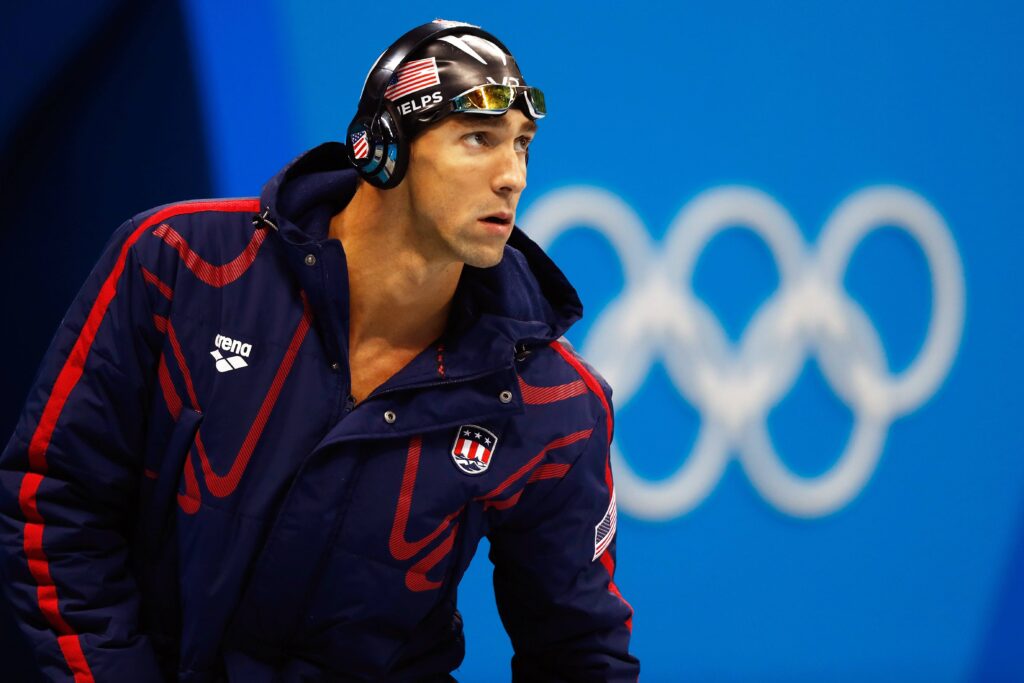
Routine can be a swimmer's best mate. Establishing pre-race or pre-training rituals can create a sense of familiarity, reducing anxiety in novel or high-pressure situations. Have the same breakfast, wear the same track jacket, block the noise with music like Michael Phelps or listen to the same playlist before every race. Rebecca Adlington, a double Olympic champion, has her set of rituals, from warm-ups to specific stretches, ensuring she's mentally prepared before every race.
8. Growth Mindset: Embrace the Evolution
Adopting a growth mindset, as introduced by psychologist Carol Dweck, can be transformative. Viewing abilities as malleable and shaped by effort rather than inherent talent can foster perseverance. Instead of thinking "I'm just not good at backstroke", consider "With dedicated effort, I can improve my backstroke technique". Dana Vollmer believed in the growth mindset. Instead of thinking "I'm just not a butterfly swimmer", she continued to refine her technique, resulting in Olympic golds.
9. Mindfulness and Meditation
Integrating mindfulness practices can help swimmers improve focus, awareness, and stress management – all crucial for peak performance. By staying present in the moment, swimmers can cultivate a deeper connection to their movements, enabling smoother and more efficient strokes. Missy Franklin, during her peak, engaged in regular mindfulness sessions, aiding in her concentration during high-stake races. This mental clarity not only helped her navigate the pressure of competition but also allowed her to enjoy the process and find fulfillment in her sport.
Engage in 5-minute mindfulness sessions daily, focusing purely on your breath or the sensation of water during a cooldown swim. These moments of intentional stillness can act as a mental reset, helping you let go of distractions and refocus on your goals. Visualization, a form of mindfulness, can also be incorporated here by picturing a perfect race or flawless technique. Over time, this practice can sharpen your mental acuity, reduce anxiety, and improve your overall swimming performance.
Mindfulness isn't just for race days; it’s a skill that can transform your training sessions, ensuring you stay grounded and motivated even during grueling workouts. By committing to mindfulness, you create a powerful tool to enhance both your physical and mental capabilities in the pool.
10. Feedback: Constructive, Not Critical
Feedback is a tool for growth, not a weapon for criticism. Train your mind to seek, accept, and implement feedback positively. After a less-than-ideal relay performance, instead of dwelling on the loss, analyze the feedback, find areas of improvement, and work on them. Constructive feedback provides invaluable insights that can refine technique, strategy, and mindset. Ian Thorpe would analyze his performance after a tough race, accept constructive criticism, and make necessary adjustments, rather than dwelling on negatives. By embracing this approach, athletes position themselves for continuous evolution, transforming setbacks into springboards for future successes. Remember, every piece of feedback, when viewed constructively, can light the path to unparalleled excellence.

Master Your Mental Game in Swimming: Strengthen Your Mind, Elevate Your Swim
In the world of elite swimming, where milliseconds can separate first from fifth, it's clear: the mental game is paramount. The ability to stay focused, calm, and resilient under pressure can be the deciding factor between reaching the podium or falling short. Mental preparation doesn't just enhance performance; it also cultivates a deep sense of confidence and control, allowing athletes to thrive even in the most intense moments.
As you hone your physical prowess, ensure that your mental muscles are also getting the rigorous workout they deserve. Incorporating techniques like visualization, mindfulness, and goal-setting into your routine can transform not only your athletic performance but also your overall approach to challenges. Remember, in the still, chlorinated waters of a pool, it's often the strongest mind, not just the fittest body, that emerges victorious.
Let your mind be your strongest ally in the water. Embrace every stroke as an opportunity to grow. Dive deep, swim hard, push forward, and let your mental fortitude guide you to greatness. The journey to excellence begins with the belief that every challenge, both physical and mental, is a stepping stone to success.

